The COVID-19 vaccination campaign is underway in Canada. However, the pandemic has significantly altered HCPs' practices to date. These changes have impacted workloads, patient assessments, and interactions with pharma. A year into the pandemic, a national COVID-19 vaccination campaign is underway. This begs the question, how are Canadian HCPs doing today? What do they foresee moving forward? Our latest short survey presents the current state of HCPs' practices in Canada and their assessment of the government's management of COVID-19....
Virtual medical conferences are on the rise, but are they here to stay? As a result of the pandemic over the past year, conference organizers and medical brands were set scrambling to find a solution to limit cancelations of key medical conferences. Resulting virtual platforms advanced quickly to emulate the face-to-face conference experience through a digital means. While many virtual medical conferences were successful, in terms of strong participation levels to many key events both national and international, questions remained as to how well they met the needs of physicians, other healthcare providers and the pharmaceutical and medical device companies...
The COVID-19 crisis has significantly impacted physicians’ practices; but how and to what extent? Physicians have been managing significant workloads, while learning on the fly how to navigate and setup virtual meetings. Maintaining high levels of patient care while minimizing in-person interactions has also been challenging....
Physicians recognize that new medications often can be quite valuable for their patients and are eager to add them to their armamentarium. However, they do not always end up prescribing these new medications as much as they initially plan or as early as they would like. There are many reasons that can explain this discrepancy....
In the healthcare system, a patient’s journey to optimal care presents many obstacles. There are numerous steps involved from the onset of a medical condition to the moment when satisfactory results are achieved. This healthcare survey seeks to reveal key opportunities within the patient journey that would assist patients along their way and ultimately improve outcomes. Further healthcare market research could also be conducted by disease area to dig deeper into these insights....
Biological drugs, protein-based products derived from living cells using biotechnology, have been used since the 1990’s as a treatment option for cancer patients. Since 2009, biosimilar therapies (therapeutically equivalent subsequent entry biologics) have been available in different therapeutic areas in Canada, and are now on the verge of becoming available for use in oncology....
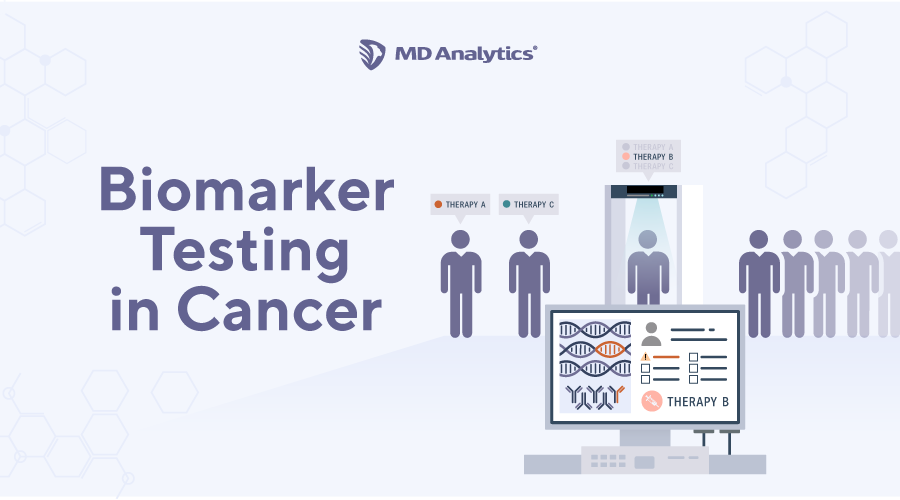
Biomarkers are molecules found in bodily fluids or tissues (including the tumor tissue). They provide valuable information about the cancer cells and non-cancer cells when analyzing which biomarkers are produced in response to the cancer. By developing a biomarker profile of a patient’s cancer, doctors can recommend the best suited treatment plan for their patient....
Smart Drugs (or nootropics) are substances used to enhance cognitive functions. Exact usage numbers are difficult to ascertain, but a recent study conducted among UBC students found that 1 in 30 students admitted using ADHD medication they were not prescribed, for their cognitive effects. The use of Smart Drugs appears to be gaining momentum in Canada, especially among students and young professionals in high pressure situations, thereby having the potential to turn into a public health issue....
Ready to explore how data-driven insights can accelerate your pharmaceutical research? Connect with our team to discuss your goals.
We use cookies to collect information to help us personalize your experience and improve the functionality and performance of our site. By continuing to use our site, you consent to our use of cookies. For more information, see our Cookies Policy.